Importance of Vocal Training

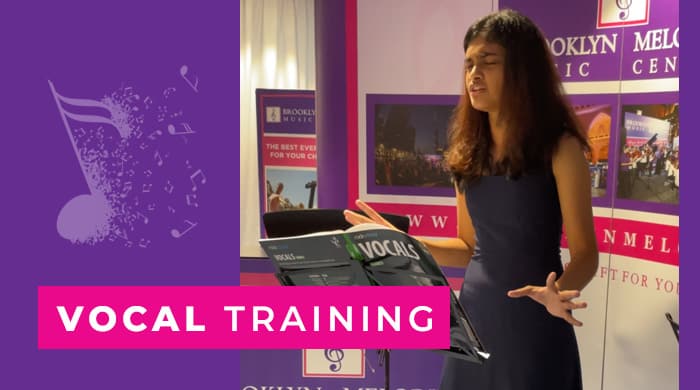
Training your voice is essential for being heard. But what is it, exactly? Vocal training can help you sound more professional and distinct, but it’s not something that will make you a natural performer magically. It’s not about spending hours and hours getting a perfectly ad-libbed performance from your fingers or speaking in an organ tune. Vocal training doesn’t just improve your voice; it is used to build your personal singing voice, which will boost you when you need one! Here are some important reasons why you should consider training your vocal coaches. No doubt, vocal training holds lots of importance. Let’s discuss it one by one:

Training your voice can help you develop consistency

It takes dedication and hard work to stay in tune while singing for long hours. The exercises you will do as part of your vocal training will teach you how to be consistent. Therefore vocal training will assist you in developing this skill capacity. If you want to sing professionally for longer, you need the right instruction.

Help to achieve your potential

Even if it seems apparent, vocal training aims to make you a better singer. You may develop your voice effectively by learning practices and strategies from good singing instruction. As a result, vocal training can aid in advancing your musical style.


Establish confidence

Successful vocalists must possess confidence because it shows in their performance. Being in control and having a solid technique both lead to confidence. Vocal training may help with all of the aforementioned issues, allowing a performer to concentrate more on giving a convincing performance for their audience and less on potential problems.


You can increase your voice’s strength

You may strengthen your voice by engaging in vocal training. Your vocal training activities will maximise your vocal range. Vocal training in particular, teaches you how to project your voice in a controlled manner without straining it, but instead with ease.


You can improve your capacity

Vocal training’s purpose is to help you develop powerful vocal powers. It may seem apparent, but the goal of voice training is to improve your singing. With the right instruction, you may learn various exercises and methods to help you reach your full potential.


Helps to make your own style

Successful singers typically have a distinctive vocal quality that makes it easy to recognise them when you hear one of their songs. Vocal training will build a solid foundation for your voice, allowing your unique style to shine through. The audience will prefer to hear your singing unless you wish to become a “tribute” singer!


Breath management

As a singer, your vocal health is crucial. Therefore, practising better breath management can help you maintain a powerful voice. Vocal training is a common method used by those with breathing difficulties to improve their condition. If you can’t regulate your breathing while performing, your reputation might be ruined.


Conclusion

It’s crucial to learn how to manage your voice tone. Vocal training can help you speak more clearly, and deep, controlled breaths will help you constantly represent your best self to the world and realize your full potential. If you are in Dubai and want to join the best music center, visit our website https://www.brooklynmelodies.com/ today to know more!!


Importance of learning music & dance from a renowned institute.

In today’s world music is a pill that all people take in their daily routine. In actual music has a great impact on people’s life. While the impact of music may not be as immediately apparent as that of leadership and finance, it can nonetheless be just as significant in other ways. It develops soft skills that are beneficial in both your personal and professional life.

Without a doubt, important elements include cash and leadership. As a business professional, the elements listed below help one grow into the thriving, elite online music school that it is now. The advantages of music education extend far beyond superior academic performance. You can make the most of your child’s music education by participating with them in this learning process and helping them create lifelong memories. Its applications in today’s fast-paced world are truly liberating.

How learning music & dance from a renowned institute Is important

There are many more advantages to learning music than these, but I find these to be the most prominent ones. Here are few aspect that shows how learning music & dance from a renowned institute is important.

  • Teaches Discipline and patience

The most crucial, yet most challenging, issue now for people is patience. As is typically stated, music can be used as therapy or medicine. Learning music will therefore help you maintain your discipline and patience, especially if you consider learning to dance as well.

  • Help you learn in much professional way

A well-known (recognised) institution will provide you with the best education available if you study music or dance there. In fact, receiving instruction from a professional organization will boost your confidence to compete in the professional race. The better the advice, the better off you’ll be using it. In fact, it can be said that learning music and dance from a reputable institute includes this as one of its most crucial components.

  • Enhancement in creativity

Understanding the fundamentals and expressing yourself via sound are the two main components of music. It should come as no surprise that many successful people studied music at some time in their lives because musicians create something out of nothing by writing their own songs, improvising solos, and performing previous songs again.

  • Help build connections

Consider how many of us are able to appreciate music that is in a language we don’t or barely understand. If you need to interact with people from different cultures, you might be surprised at how music can help you feel more connected to them. If you ever find yourself stuck for conversation, ask the other person what his or her favourite song is, and if you’re knowledgeable about music, you might just have the beginning of a great conversation.


Final words

From this, we learned the significance of learning music and dance from a reputable institution. However, it all starts with a sense of accomplishment, and when you play for other people, it turns into a complete confidence issue. When you play with others, it then turns into pure enjoyment.


Does Music have an impact on children’s education?

If we talk about the impact of music on children’s lives, we can say kids love music for so many reasons. For example, they can dance without fear of being judged, sing along as loudly as they want, and bop their heads.
Music has some benefits for early childhood development. It can help them with language skill development and boost their self-confidence. They can improve their motor skills with the help of music.

Today, children of all age groups are keen to have an interest in music, and they want to make a career in music. School systems are also making efforts to implement mandated standards to help students gain the necessary skills. Many creative schools offer creative school programs for children such as art and music. Schools also realize that these types of programs have major positive impacts on children’s lives. Below are some benefits of music in children’s lives:

Helps Enhance Language Capabilities
Music helps children enhance their vocabulary and reading comprehension skills. Music helps children learn words when they are young. If you teach a child a word, the child won’t understand the meaning of the word, but if the word is in a song, then it’s easy for the child to learn the meaning of it.

They also get to learn new words in early childhood. They lean toward speaking words correctly and improving their pronunciation.

Helps In Improving Memory 
Music involves a high level of memorization for kids at in early age. If you teach your children new words by saying them, they will forget them quickly, but if they hear the same words in a song, they will remember them for a long time.

When children learn music at school, they play proper notes on their instruments and recall lyrics. This process helps the memory center of their brains. Music is an easy way for children to enhance their memory. 

Enhance Powerful Study Habits
When children get music education at their schools, they learn study habits. They will need concerted efforts, consistent practice, and patience to master their musical art.

These types of disciplined habits influence their study habits as well. When they study other subjects, they put in the same effort to learn things. Learning music improves students’ academic performance.

Helps to learn Teamwork – As music is not an activity for a single person. It includes singers and other artists who play instruments, as well as a person who writes lyrics. So learning music can help children learn about teamwork, which has a positive impact on their education.

When children do group studies, they learn better and share their opinions. They create a community of like-minded children who help each other achieve their goals. Many students find a sense of relativity with each other in school music programs Learning music helps them connect.

Conclusion 

Music education helps students promote improved coordination with each other. Students who choose music learn from an early age that hard work, determination, and a positive mindset are all they need to succeed. To enhance skills in music, continuous practice is required. Music is also a stress reliever, so if a child is going through stress, it can help him feel better. Music has been shown to improve children’s moods. Music helps in the emotional development of students.  Visit

https://www.brooklynmelodies.com/, if you want your kids join the best music center in Dubai.


Why Music education matters?

Music education’s power and undeniable effects on students’ ability to learn and achieve success in life are evident to anyone. In addition, an entire culture, a society, and in some cases, history can be represent,ed and understood by music. Therefore, when learning music, one must have a thorough understanding of the subject matter and have the opportunity to develop advanced skills due to the study.

What are the advantages in music education?

To enhance students’ learning capabilities and content mastery, music education provides them with the necessary tools to develop their motor and cognitive skills. Among other things, it assists with recalling information, retaining it, and solving problems as follows:


A music class teaches more than just music

There is no doubt that the importance of compassion is reflected in all the other subject areas in a child’s education. The song is used throughout the day to help introduce concepts to the students, help them memorize important information, and get them up and moving. Every single day, there is a tremendous amount of cross-curricular learning that is taking place.

Students are taught about the frequency of sounds and how notes are modulated or modulated, for example, when studying music in science. In this subject, students study music from all over the world and learn about the cultures and traditions associated with music from all over the world.


Enhances vocabulary and working memory

Among its functions are retaining information, controlling it, sequencing it, and manipulating it to solve problems and reason. Studies have shown that children exposed to piano for three years or more outperform those who have not.

A study found that musicians are more selective in focusing and recalling tasks and have a higher level of working memory and vocabulary development.


Enhances attention

Students’ ability to pay attention, focus, listen actively, and stay on task determines their performance in school and the workplace. Paying attention at a young age is key to becoming a successful adult. These attention skills are improved early in life through music lessons, and they are strengthened and reinforced as we grow older through music education.


It’s a Lifetime Investment to Learn Music

Music teachers want their students to be able to pursue music as a profession, although this is only a realistic objective for some of their students. However, a fundamental goal for music education is to foster lifelong learners and make music education a viable field of study.

Music education aims to encourage students to appreciate, listen to, experience, and enjoy the power of music when they become adults. As a music student, there is much more you can learn than what you do in the classroom. Educators and parents should pass on their love and passion for music to future generations.

This blog post will help you better understand just how important music education is by showing you the importance of it. Then, no matter what subject area you teach, consider how you can continue to share your love of music with students.


Final Words

In recent research, there has been a strong correlation between music education and academic achievement among students. When students are exposed to music early and sustainedly, they will learn skills that will help them succeed in college, careers, and as citizens on a long-term basis. Among the benefits of learning, music is improved brain development, increased human connection, and stress reduction.


What is Music Theory?

The world around us is filled with music. A wide variety of devices are available to listen to music, play instruments, and sing. Therefore, it is imperative to know what music is and the process of creating it. You can think of this definition as the most basic. Music composition can be explained as combining and arranging sounds and tones in a way that makes sense, leading to a cohesive and organized sound.

What Is Music Theory?

You can explain what a song does by looking at the structure beneath it, which explains how it accomplishes what it does. Music theory, however, can also guide you in the right direction. Therefore, developing your knowledge of music theory is one of the most significant parts of your musical education.

A musician’s knowledge and understanding of music theory allow them to learn the language of music and communicate it. This course examines the foundations of music to provide a deeper understanding of it. The system also provides a method of interpretation for musical compositions.

How Can Harmony Be Defined In Music?

As a result of multiple notes playing simultaneously, it creates a new sound when those notes or voices are played. It is pleasing to listen to the combination of sounds in harmony as they complement each other and enhance each other.

As an example of harmony, chord progressions and chord chords are examples of chords. In a chord, at least three notes are played at the same time, and they are played together. A piece of music uses chords and chord progressions to support or accompany the melody in the piece.

Musical Chords

You can dive right into the foundation of musical practice once you have acquired the foundation for building your theory knowledge. An individual chord is the smallest unit of harmony and is made up of notes. A group of consonant pitches occurs whenever they are sounded together at the same time.

To play a chord properly, it is essential to be aware of the two primary qualities of the chord: major and minor. But there’s still a lot more for you to find out. Songs have distinct identities largely due to how pitches interact within the structure and how different chords interact within the chord structure.

What are the benefits of learning music theory?

Many people may think that music theory could be more relaxed and that it’s all about solving crossword puzzles rather than making music. Unfortunately, it is impossible to be farther from the truth than that. Music theory can be beneficial to all musicians, regardless of what instrument they play.

You need to understand music theory concepts to become better at your instrument, write better songs, and break through creative blocks. As a piece of good news, there is no need to go to a classical conservatory or to hire an expensive teacher to learn it. If you know on your own and apply the essential concepts to your everyday music practice, it will be easy for you to grasp the key parts of music theory.

Final Words

The study of music theory will help you gain a deeper understanding of what music is all about. There is no doubt that musical theory comes with some rules, but there is also no doubt that they do not govern it. It is a tool designed to help you communicate, create, and understand music.


Music concerts at our institute for students personality development

As a result of its ability to unite different individuals into the same rhythm and beat, music has played a critical role in shaping societies and cultures. In addition, music can provide many other benefits, which is clear in gyms that play a particular type of music to motivate those who are present within the gym. Those studying can also benefit from the influence of music as a powerful motivational tool. Study sessions with music played during the study session led to improved knowledge retention and a higher level of performance.

As a musician, you know that the half-hour before the performance is the most challenging part of preparing for a concert. A successful concert depends significantly on the way you manage your time during that time.

Motivate yourself to achieve new goals

To understand the potential of their instrument, young musicians are encouraged to watch other musicians’ performances. One of the vocalists in the musical, who has the lead part, tries to convince a young singer that there is a lot more to singing than just the right notes when it comes to music. A pianist advises a piano student who plays with a worship band that it is vital to practice piano with the metronome to maintain a steady pace when practicing.

New Sounds To Discover

Concerts provide the opportunity to hear new sounds, which is one of the great benefits of attending one. When musicians perform together, they can produce a variety of sounds and styles of music, ranging from jazz to popular music.

Getting to hear a variety of styles of music enables young musicians to broaden their knowledge of music in a variety of ways. It is widespread for children to discover a new type of music that becomes their “favorite.”  Some children also learn a great deal about developing their talents by watching other great musicians and observing how they do it.


Connect With New People

Live concerts allow musicians to gain a new understanding of music in a whole new way by experiencing it in a live setting. In today’s technological age, it’s straightforward to watch a live video clip of a concert that has been recorded “live.”

However, attending a live concert has something special about it. When the instruments are tuned to each other, and the musicians follow the music without missing a beat, something incredible can happen. The music inspires the audience’s imagination and connects with them on a personal level.


Boost Your Spirits

It is common for everyone in the day to feel a little under the weather and a little low in mood. After attending a concert, people often feel lighthearted for several days. It’s common to feel a sense of positivity for at least a couple of days after attending.

A good concert can provide happy memories and feelings for several weeks for those who purchase tickets, prepare for the show, attend together, and savor the memories. Live performances by your favorite band are well worth the expense.


Final Words

You can invest your money in a great memory that you will be able to enjoy for the rest of your life when you attend a concert. In addition to getting out of the house and maintaining your safety while attending a significant event, it will develop your personality and is a great way to spend more time outside the house.


How to Pick the Right Guitar for you

Whether you’re looking for a guitar or trying to get one as a gift for someone else, it may be challenging to make the correct selection! There are so many shapes, sizes, and designs that it is simple to get confused by all the information. However, if you choose the correct instrument, learning to play the guitar may be one of the most satisfying hobbies, and the learning curve can be quickly accelerated in the first stages of the process.

How do you decide which guitar is the best one for you?

Your ability to play the instrument well and its overall quality are extraordinarily essential factors. Always be sure you have the facts. Inquire about the steps that have been taken to simplify the instrument’s playing. A poorly manufactured instrument or one that needs to be appropriately set up is the greatest obstacle to making progress, acquiring good technique, and enjoying the experience of learning to play an instrument. There is no other factor that comes close.

Pick a guitar that’s the correct size for you

It is true, in particular, for young toddlers. If your kid is using a too-big guitar, reaching the correct position with either their right or left hand will be challenging. Having their arm up to their shoulder to get over the instrument may become unpleasant, or even painful, for them.

In addition, they put themselves at a significant technical disadvantage by overreaching for the first fret. As a result, their muscles are already stretched out, which makes it impossible for them to slide their fingers on the fingerboard in the correct manner. In most cases, adults can play comfortably on full-size guitars.

Only buy something because of the brand

Most significant brand name corporations compete with small brands in the market for entry-level and intermediate-level players. When it comes to marketing their products, smaller brand-name enterprises depend less on the media and more on the help and expertise of their retailers.

It should come as no surprise that the total cost of the instrument includes payment for advertising in various forms of media. You may pay more for the brand name even if the product is of comparable quality, or you’ll pay a more reasonable amount for an instrument of worse quality.


Create a spending plan

You may think it’s a silly suggestion, but you should spend as little as possible on a guitar without sacrificing quality. The guitar price may vary from one hundred to tens of thousands of dollars, but it only sometimes means that paying the most will get you the essential instrument for your needs. In addition, nothing is more disheartening than shelling out a considerable amount of money for an instrument that does not fulfill your requirements.


Put part of your money aside for the extras

As was said before, electric guitars need accessories only to generate sound, and acoustic or classical guitars are not immune to this requirement; one must constantly consider carrying cases, straps, and other things. Therefore, when you make your purchase, you need to make sure you remember to view it.

Final Words

Your search for your first musical instrument should begin a journey filled with learning and inspiration that will last a lifetime. However, it is also possible to need clarification due to the wide variety of manufacturers and models available for all musical instruments. There are infinite guitar genres, and each individual has a distinct personality and musical preferences. First and foremost, the instrument you choose should motivate you to increase the time you spend on it.


How music and dance can help your child’s development

We all know that music and dancing are fun activities. Children love to move around and make noise, but did you know it’s also an important part of their development? Dancing, singing, and playing music are part of a child’s method of growing up and learning what their bodies can do. It also teaches children how to socialize with other people, objects, and the world around them.

What happens when a child sings or dances?

According to research, regular movement experiences help children to develop movement control, coordination, and strength. This is because music can strengthen the connection between the body and brain to work together as a team.

For instance, when dancing and moving to music, children develop better motor skills whereas singing along to a song helps them to practice their singing voice. In general, exposure to music supports children in their development process to learn the sound of tones and words.

Children begin to make sense of sounds before they leave the womb and the first response to it is through the movement of their body. When a child dances, they learn about how their body can move. They experiment with
traveling motions such as walking, sliding, and jumping, as well as other movements like twisting, bouncing, and bending. Dancing uses different muscles than simply standing and walking around does, which strengthens them. Through dance, children learn to coordinate and control their bodies and the movement helps them develop
spatial awareness.

If children are copying an adult or learning a set dance such as ‘the chicken dance’, their listening and understanding skills will be improved. They will also begin to pay more attention to others sharing the space.

Singing is one-way children can understand language and sound. Through singing, they will improve their vocabulary and communication skills. Rhyming in songs provides exercise for the brain and develops valuable memory skills. We all learned our ABCs through a song! Singing also improves lung function and increases blood flow.

Why your child should play music?

When creating music children become much more engaged than when they just listen. Singing and using instruments boosts their creativity and can easily be done in groups to improve their social skills and help them bond with others.

Here are 8 of the benefits you can expect for CHILDREN LEARNING MUSICAL INSTRUMENT:

  1. Teaches Patience: Playing an instrument means having to persevere through hours, days, and possibly years of practice. Kids must have patience while acquiring to set goals. The violin is an instrument that can teach patience, as it takes practice just to learn how to hold the bow and get the strings to make a sound.
  2. Creates responsibility: Most instruments take maintenance to keep them looking and sounding like new, giving kids something to be responsible for.
  3. Boosts Self-esteem: Learning an instrument provides kids with an outlet to practice, listen to feedback, make improvements and see positive changes. As they improve, they will build confidence and boost self-esteem. The piano makes a great example, as it’s an instrument often used for performing.
  4. Improves reading skills: For a child playing the trumpet, which only has three pistons to control airflow and formulate notes, they will have to read music while also using hand combinations to create specific notes.
  5. Exposes New cultures: Music is a reflection of history. When you expose children to music, you teach them about jazz, blues, baroque, and even zydeco cultures. Through these cultures, kids can develop a greater affection for their instruments.
  6. Enhances Coordination: Playing an instrument means the brain has to work quickly and efficiently. Kids have to concentrate on reading music and converting the notes into the physical motion of playing. As a result, kids can significantly enhance their hand-eye coordination.
  7. Encourages Self-Expression: Children who learn to play an instrument have an outlet for creativity and making their own choices, something which fosters self-expression. Music is one of the ways children can easily communicate emotions they may feel too uncomfortable or unable to talk about. One example of this is the saxophone, a jazz instrument known for tugging at the heartstrings. By learning to play an instrument, kids can convey their emotions healthily and productively.
  8. Increases Memory Capacity: As we age, it’s common to forget little things. But kids can efficiently improve memory skills at a young age by learning to play an instrument. Music teaches kids to effectively create, store and retrieve memories, similar to a workout for the brain. Consider enrolling your child in lessons to learn the guitar. They will have to memorize which strings correspond with which notes and how to play chords with specific hand positions.

Children can’t always communicate their feelings through words, so it’s useful for them to have a healthy outlet for their emotions. Get your child singing, dancing, and playing music. It will benefit their development in so many ways and you’ll both be sure to have fun too!

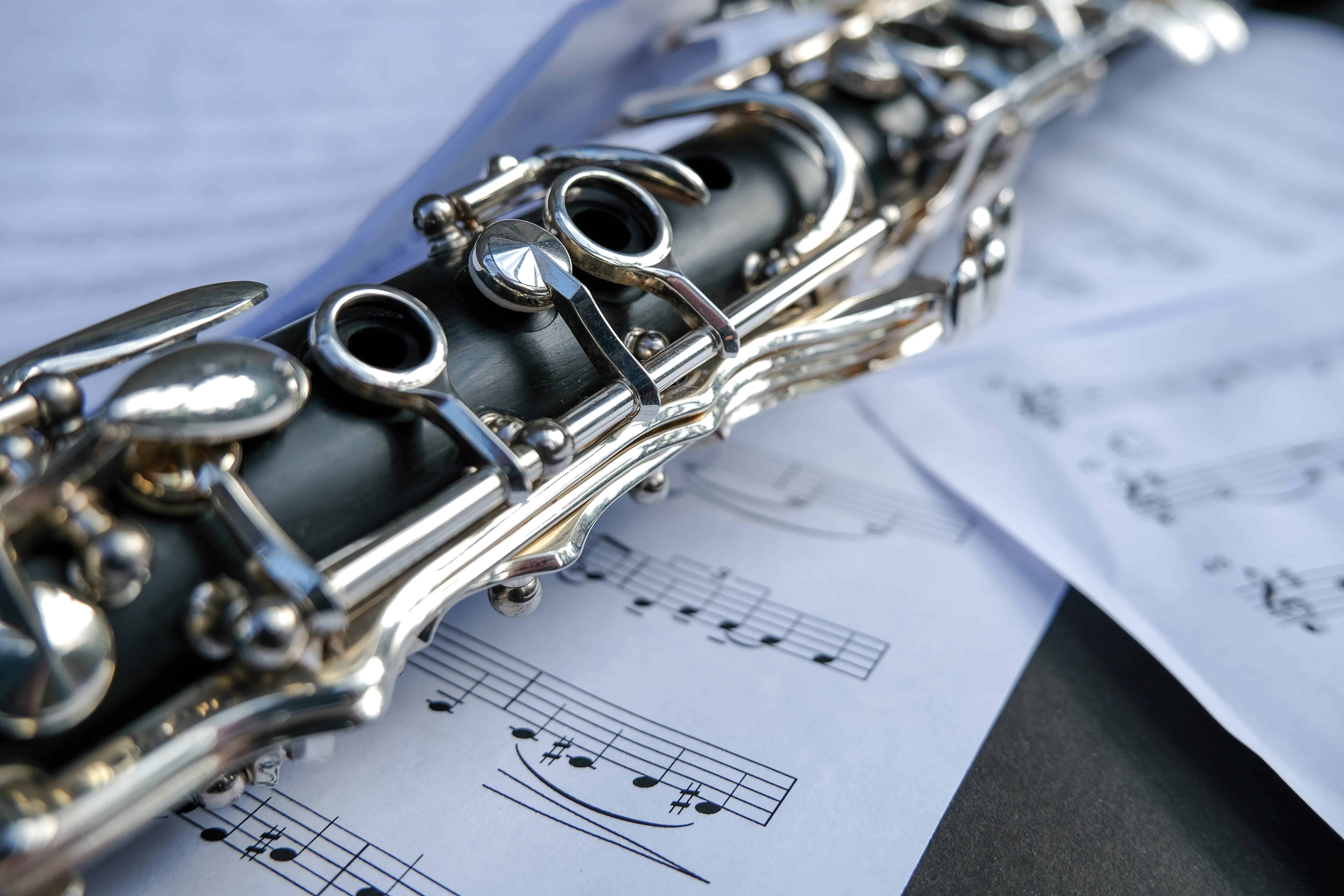
Clarinet Lessons – 10 Reasons Why You Should Learn to Play the Clarinet

1. There are different types of clarinet

You will be glad to know that there is more than one type of clarinet. When you choose the Brooklyn Melodies clarinet classes Dubai, you will get to experience different types such as the bass clarinet, which is a favorite in wind ensemble and larger bands, or the contralto clarinet, which is found regularly in most high school band halls. As such, you get to decide the type of clarinet that best works for you and your musical training.

2. It is great for beginners and even better for kids

The clarinet is a great instrument of choice for anyone that has never played an instrument before because it is easy to learn and even easier to handle, making it perfect for children and young players. Of course, things start to get complex when elements like dynamics, tuning, and tone are added to the picture, but the concepts in clarinet are easy enough to grasp especially when one is attentive and dedicated to the process of learning. Take our clarinet lessons to overcome any complexities of learning the clarinet with ease!

3. The clarinet will improve your executive function

Studies show that people that take up musical instruments like the clarinet have more white matter in the brain. This helps with musical training, as well as improve the way you make decisions and the way that you process and retain information. Even better, musicians enjoy better executive brain function that also likely contributes to academic success.

4. You can get a memory boost

Aside from helping to improve speech processing, learning the clarinet can also magnify your memory, especially your verbal memory or the way that one remembers words. Making music also seems to work great when it comes to improving one’s ability to temporarily store and use information, therefore making it easier to learn or master a complex task.

5. The clarinet is a common instrument in school bands

The clarinet is one of the more prevalent instruments in school bands and various musical school programs, which means that you will be well supported should you choose to pursue it fully. The clarinet is used commonly in many concert bands and wind ensembles and clarinet players come highly demanded by various marching and military bands.

6. It is one of the most affordable instruments available

Clarinets are very affordable compared to some other instruments like the piano and the guitar.  A plastic clarinet that is well made can serve you for years and only require little maintenance costs. Higher-end clarinets, the kind that is used by professionals, on the other hand, tend to be a little pricey, but this is to be expected of any instrument.

7. It enjoys a lot of versatility

If you see yourself as a woodwind player, then you will love the versatility of the clarinet. The quality that makes the clarinet such a quality instrument, especially for jazz musicians, is its versatility. The clarinet is often used for expression because it produces a sound that transitions easily from softer and more relaxing sounds to a more aggressive ones.

8. Extremely portable

The clarinet is small, which means that you can carry it easily from place to place. This portability factor also makes it an ideal instrument for young learners because it does not take much to haul it from place to place.

9. The social benefits are undeniable

The social benefits that come with playing and owning an instrument like the clarinet are undeniable. Because it is so easy to carry around, the clarinet can be played in any situation or scenario. As a clarinet player, you will be exposed to a range of social situations that will allow you to make new friends and acquaintances. Being part of a community of musicians can help you elevate your social skills, which is an important part of navigating healthy relationships in real life.

10. Improve your coordination and motor skills

There is no doubt that playing the clarinet or any other instrument for that matter, requires you to have an excellent hand, mouth, eye, and ear coordination. Getting your hands and fingers to translate musical sounds may seem easy enough, but it takes practice to perfect. For clarinet players that start very young, the height of musical coordination and motor skills also translate into other areas of life.

Conclusion:

So, there you have it! The clarinet is a great instrument to play. There is a mountain of evidence that suggests that playing the clarinet is not only great for your mind and body, but it also has other advantages that can be transferred to other areas in life.

As a clarinet player, you can also branch out into other woodwind instruments like the saxophone and the flute. Playing the clarinet can also create more opportunities for you to socialize and make friends, as well as allow you to try out a range of styles that you never imagined to try before. All in all, the clarinet is one of the best instruments out there and you can learn it with ease with Brooklyn Melodies!

Guitar Lessons in Dubai
15 Reasons to take Guitar lessons Now

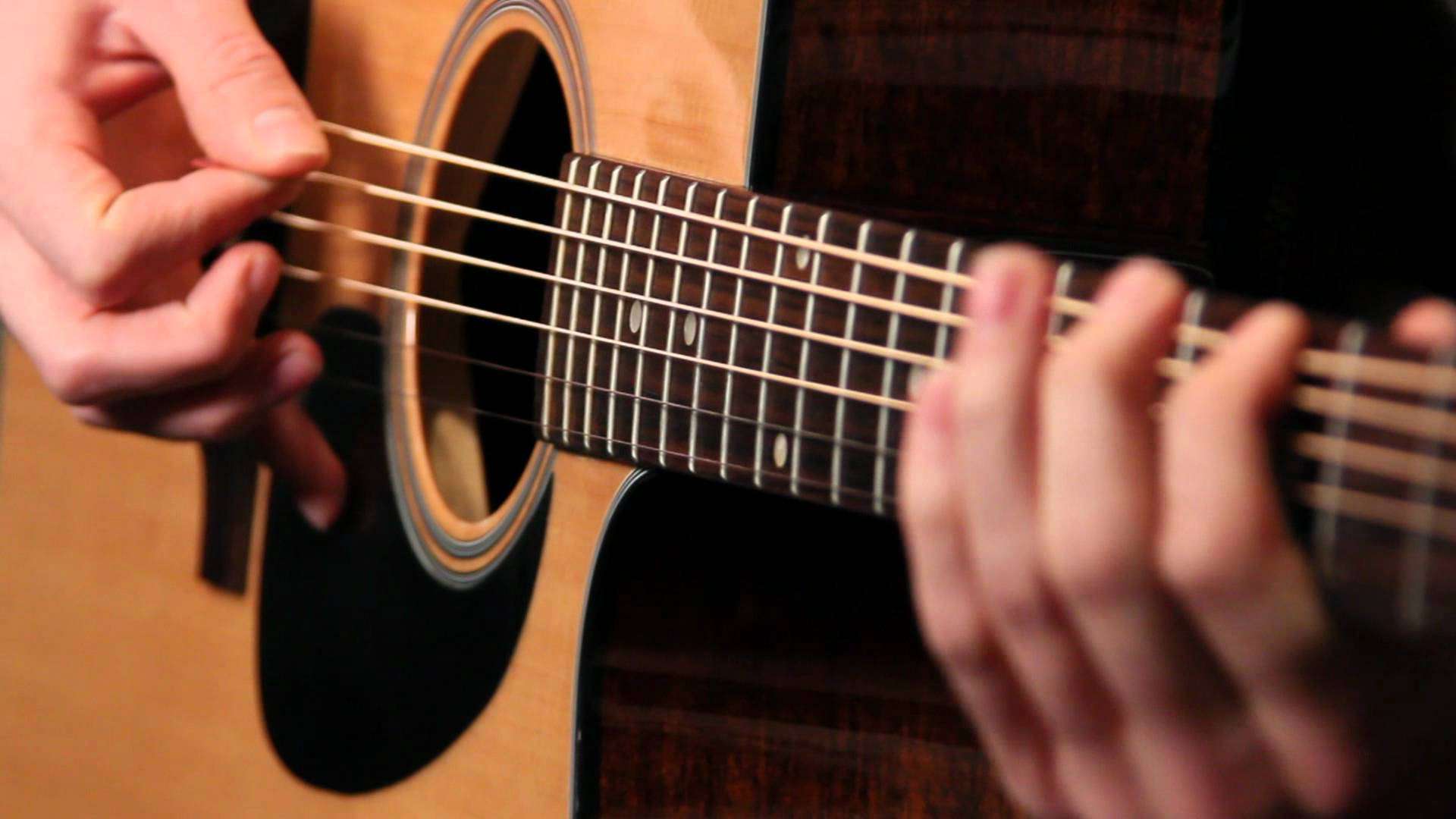
1. Teaches Discipline

Learning to play the guitar is one of the best ways to teach discipline. Unfortunately, that is because it is often so frustrating to play well. You have to practice if you want to be good.

Practicing regularly will teach you how to fail and improve on your failures repeatedly. Discipline is an important life skill. Furthermore, many areas of your life can be enhanced by being disciplined and strict with yourself. Join Guitar Lessons Today

Playing the guitar is tough, and it requires a certain mindset. But this sort of attitude will help you be successful in many areas outside of music too!

2. Engenders Creativity

One of the key benefits of learning guitar is that it is a creative process. Strumming your guitar, searching for licks and riffs can be some of the most interesting innovative experiences you can have. Moreover, there is always a great song waiting to be found with the guitar.

As a discipline, creativity is an important element that can be polished while playing guitar and used in other life areas. Having an active mind, looking for exciting solutions is a valuable thing in the professional world.

Playing the guitar stretches your creative muscles. You are always looking for the next note, or chord, or a finger-picking technique. It is an exciting process that can stimulate your mind even when you aren’t holding a guitar. Join Guitar Lessons Today

3. Broaden Your Horizons

Playing the guitar can introduce you to new cultures. The guitar accommodates many different genres of music that span the globe. Learning to play guitar will broaden your horizons and can give you a new perspective.

If you learn to play blues, jazz, rigid, or indie rock songs on the guitar, you are already consuming a wide variety of perspectives through various musical styles. Practicing different genres will improve your musical literacy.

Beginners can get frustrated because they have to play the tough tunes of their classical guitar. On the upside, by learning the classical guitar, you will likely become exposed to music genres like flamenco with which you may not be familiar. Join Guitar Lessons Today

4. Sharpens Your Concentration

Playing the guitar requires concentration. There are so many distractions in modern society that a few hours of engagement are a precious thing. Many people have forgotten how to concentrate because they are always multitasking.

Learning the guitar requires you to sit down and focus on one thing at a time. There are not many hobbies that require such dedication. The importance of the guitar in our lives can be immense. Learning to play the guitar is a relatively easy way of sharpening your brain.

5. Therapeutic

There are several mental health benefits to learning the guitar. Music therapy is a recognized clinical strategy for improving the quality of life for patients. Listening and playing instruments is an excellent way of calming down, focusing on an attainable goal, and reducing stress and anxiety levels.

Learning to play the guitar is an excellent way of managing your stress. Many musicians compare practicing guitar to being in a meditative state. The therapeutic nature of practicing alone is one of the key reasons why you should play the guitar. They’re very few other activities that enable you to spend time alone and focus constructively.

6. Introduces You to New People

There is an important social factor in learning the guitar. It is challenging to learn an instrument in isolation. There are many helpful online resources, but these should not take away from the vital social element of music. When you pick up a guitar and begin to learn a few chords, you are instantly inducted into a community of fellow musicians.

One of the significant pros of playing guitar is the collaborative nature of music. You may meet new people at jam sessions, gigs, or in practice rooms. In the beginning, you may need a teacher. Leaning on other musicians’ expertise is a great way of improving your playing and meeting new people. Join Guitar Lessons Today

7. An Attractive Skill to Have

If you’re still asking yourself, “Should I learn guitar?” This benefit should at least provide some level of motivation to learn. Without a doubt being able to play an instrument is an attractive skill. The guitar is one of the most romantic instruments of all time. You can serenade loved ones to your heart’s content. Being proficient in any instrument is an attractive quality. But the guitar holds a special place in history.

The mere fact that you are learning guitar is evidence of your curiosity and will to improve your life. Guitar Lessons is an easy way to impress your crush. Of course, you should probably make sure you can play a few tunes before busting the acoustic out at a party! Join Guitar Lessons Today

8. Helps with Confidence

Being good at the guitar can improve your confidence. Unfortunately, as a beginner, the guitar can also test your confidence. Once you get over the initial barrier to entry, the guitar can be a significant confidence booster if the rest of your life is pushing you down.

In general, music has always been a way for people to express themselves, and being able to do this is vital for your confidence. With extra confidence comes increased mental health, which, as is described in another section, boosts overall brain health.

The best way to boost confidence in your guitar playing is to practice regularly. Playing live gigs can also help you get used to nerves and perform in other areas of life. Another benefit of learning guitar now is that the quicker you start, the quicker you will gain your skills.

9. A New Way to Communicate

Another reason to play the guitar is to learn new ways of self-expression and communication. By playing the guitar, you can express feelings that you can’t put into words. Music has always been a supreme form of expression. The guitar has so much room for nuance and interpretation. For many years musicians have used the guitar to rid themselves of anger, sadness, and frustration.

Playing the guitar is also a fantastic way to communicate joy. A well-placed chord can say a thousand words. Many guitarists will tell you that learning a new lick or a heavy riff is the best way to spend a few idle hours.

10. Improves Your Memory

Learning to play guitar can help to improve your memory. According to a Ted Talk about how playing instruments affects the brain, research shows that listening to music and playing instruments activate your entire brain. The Ted Talk says, “playing an instrument is the brain’s equivalent of a full-body workout.” Disciplined efforts to play an instrument will improve overall brain function.

In addition to the scientific evidence above, supporting reasons to play the guitar, a substantial portion of your practice hours will be dedicated to memorizing scales, progressions, and licks. Frequently exercising your memory muscles by regularly practicing the guitar leads to advanced functions within the brain, such as retrieving and storing memories quicker.

Over time you will develop personal strategies for remembering the music applied in your regular day to day life. Your memory will improve, even if you are not actively focused on memory exercises. Muscle memory develops through repetition. Playing the guitar will become natural and will help to improve your cognitive skills.

11. Boost Your Multitasking Skills

One of the key benefits of playing guitar is that you will develop your ability to multitask. At various times guitar playing will require you to read music, pick the right notes, strum to the correct rhythm, and listen to other musicians.

If you feel like you need to improve your multitasking skills, Guitar Lessons is a great place to start. The process of learning any musical instrument is multifaceted.

The more you practice, the greater your ability to perform multiple tasks will be. Being able to multitask is a crucial skill to have in many walks of life. This skill is crucial to develop in virtually all career paths, as a parent, and in busy periods of your life. Learning to multitask is also one of many reasons to play guitar as learning this skill will benefit you in multiple facets of life, not just in your musical efforts.

Benefits of Playing Guitar on the Brain

  • Improves memory
  • Improves the ability to execute complex tasks simultaneously.
  • Provides a therapeutic respite from the everyday
  • Sharpens ability to concentrate
  • Exercises all parts of the brain
  • Increases capacity to store and retrieve memories

12. Improves Your Dexterity

There are many benefits to guitar lessons, one of which may be to improve your dexterity. Guitar playing requires a lot of precise and complex finger and hand movements.

For some beginners who may be clumsy doing everyday tasks, playing the guitar can improve dexterity and coordination. However, your increased dexterity won’t come from occasional practice here and there. Practicing the guitar every day will increase dexterity the quickest.

Through practice, you will strengthen your ability to command your fingers to complete complex movements. Dexterity can be improved in other ways, but by learning to play the guitar, you are also picking up different life-changing skills.

13. Gives You A New Appreciation for Music

Once you have started to practice with your guitar regularly, you may begin to have a new appreciation for all the great music and musicians you have listened to. Practicing can be intensely frustrating, especially when you try to replicate what you have seen great guitarists do on stage and on records you love.

One reason to play guitar that always comes up is the desire to be like Hendrix, Clapton, and other legendary guitarists.

As you learn more about the guitar, you will undoubtedly gain a great appreciation for the complexity and skill that goes into producing the music we all know and love.

14. A Sense of Accomplishment

One of the great benefits of learning guitar is the immense sense of accomplishment you feel when you finally nail a riff or finish a solo over a complex chord progression.

This feeling is tough to replicate in other areas of life. One of the most common reasons to play guitar for many beginners is the sense of progress and joy you can get from playing. And what makes it even better is the constant opportunity for accomplishment. As you practice the guitar daily, you will get better and better, continually learning harder riffs and songs.

15. Helps You Play Other Instruments

Learning the guitar can be an essential gateway to playing other instruments. After you have made a decent amount of progress on the guitar, you could move on to other stringed instruments like the ukulele, violin, and even cello!

Playing the guitar will teach you the necessary skills: rhythm, tone, fingering techniques. This knowledge can be readily applied to many other instruments. As you branch out to play different instruments, you will also become a better guitar player. Practicing music theory will give you a keener ear and eye for playing your current instruments and others regardless of the instrument.

If you are a keen musician, you will be able to have lots of fun experimenting with the skills you have gained from learning the guitar.

Practice Makes Perfect When Learning Guitar

At this point, you should no longer be asking yourself, “Should I learn guitar?” You should be running out the door to purchase your first! As expressed, there are multiple health benefits of playing guitar, including increased mental health, dexterity, and creativity.

The more you play the guitar, the more you will feel the benefits. Music is a great gift that can be enjoyed by many people. Learning to play the guitar is a way of broadening your horizons.
It is a valuable and enriching skill to have that will bring you endless hours of fun throughout your life. And Guitar Lessons now will only be the start of many great benefits that will come into your life.

Some of these benefits will be more valuable to you than others. Maybe you are already a confident individual, but you have struggles dealing with stress. Similarly, perhaps you know how to be disciplined in the professional sphere but lack avenues for creativity in your personal life.

Learning to play the guitar is a journey. Please don’t despair if you are not immediately feeling the benefits of learning guitar. Patience is the key to success. With a healthy dose of hard work and patience, you should be seeing the benefits of playing the guitar in your life very soon!

If you are stumped in your journey to becoming a guitar player and are questioning your reasons to play guitar, Brooklyn Melodies – Best Music School in Dubai offers resources to help! Book your online guitar lesson today to help you become a better guitar player at whatever stage you are at.