How to Start Dancing Ballet

How to Start Dancing Ballet

Ballet is a beautiful form of dance, full of poise and grace. It has become an increasingly popular form of dance in recent years, with many aspiring dancers – both child and adult – taking it up. There has been a rise in the number of dance academies and schools that are offering beginners classes, so more people can start dancing ballet. Ballet it a great class to take for any aspiring dancer, as it is known as the foundation for all dance. Ballet teaches posture and balance and improves flexibility, which gives a good basis for any other form of dance.

Those thinking about starting ballet – both young and old – should know that there are many benefits of this graceful dance. It is an incredible full body workout, improving muscles strength and tone, particularly in the abdominals. This combined with the overall improvement in posture It can help ease back, neck and shoulder problems. Regular ballet classes will also improve general health and well-being, reducing stress and anxiety, and lowering the risk of diabetes, high cholesterol, high blood pressure, bone loss and heart disease.

Starting Ballet as a Child

There are a number of baby ballet classes available as a fun activity for young children to attend. These pre-ballet classes are informal and relaxed, with simple instructions that very young children can follow. Young kids will be encouraged to move to different rhythms, and may even be shown the five ballet positions once they reach the age of 4. For toddlers, dance schools offer creative movement classes, that allows an exploration of movement with music. These classes serve as a useful introduction to formal ballet.

There should be no rush to enrol children in ballet training. Experts recommend 8-years-old is the earliest that formal ballet training should be introduced. Prior to this, a child’s bones are still too soft for the rigorous physical demands of ballet.

Starting Ballet as an Adult

It is a misconception that ballet is just for kids and the young. Adult ballet classes are more accessible than ever with beginner sessions available all over the country, accommodating all skill levels and ages. You are unlikely to become a prima ballerina with The Royal Ballet or the next Rudolf Nureyev, but you can still have fun reliving those childhood dreams and get fit in the process.

Those wanting to start ballet as an adult may be worrying that they are too old or too unfit, but this will not be the case. Adult classes treat ballet more as a hobby and take a fun approach to learn, rather than striving for perfection. Ballet teachers will be aware that some ballet moves will be a little out of reach, and will adjust accordingly, so everyone gets the most out of their experience.

These classes will start with barre work- to work on balance and technique, before moving to the floor to practice the new skills. Then classes will move on to combinations, where you will put together a series of steps and moves, to build up a short routine, known as a reverence. This may even include a few turns, jumps or leaps. You will be learning ‘real’ ballet in your beginner’s classes.

Adults Learn Ballet Better

There are actually advantages to learning ballet as an adult. In fact, there is a school of thought that adults make better ballet learners than teenagers and children. When starting ballet dancing as an adult you may have a more enjoyable learning experience. There are a number of reasons for this, which include:

Healthy Body – Ballet dancers who start at the young age, can experience a lot of strain on their bodies, with tendonitis, hamstring injuries, and knee, back, and ankle issues. Being common in those that start ballet seriously at a young age. Starting ballet as an adult can actually help with back problems, by improving core strength and posture.

Learn Quicker – Ballet teachers have claimed that usually adults starting out pick up the basics of ballet much faster and grasp the concept of basic techniques in a few weeks. By contrast, it can take children months or years to get their head around the same techniques and instructions. The adult brain is more mature and therefore much more capable of conceptualising what an instructor is asking of them.

Stronger Motivation – It may have taken years to build up the courage or find the time to take an adult ballet class, which means that motivation will not be an issue. Taking a ballet class just for the sheer fun of it, with no expectation or obligation, you can really let go and enjoy yourself.

Start Dancing Ballet in Dubai

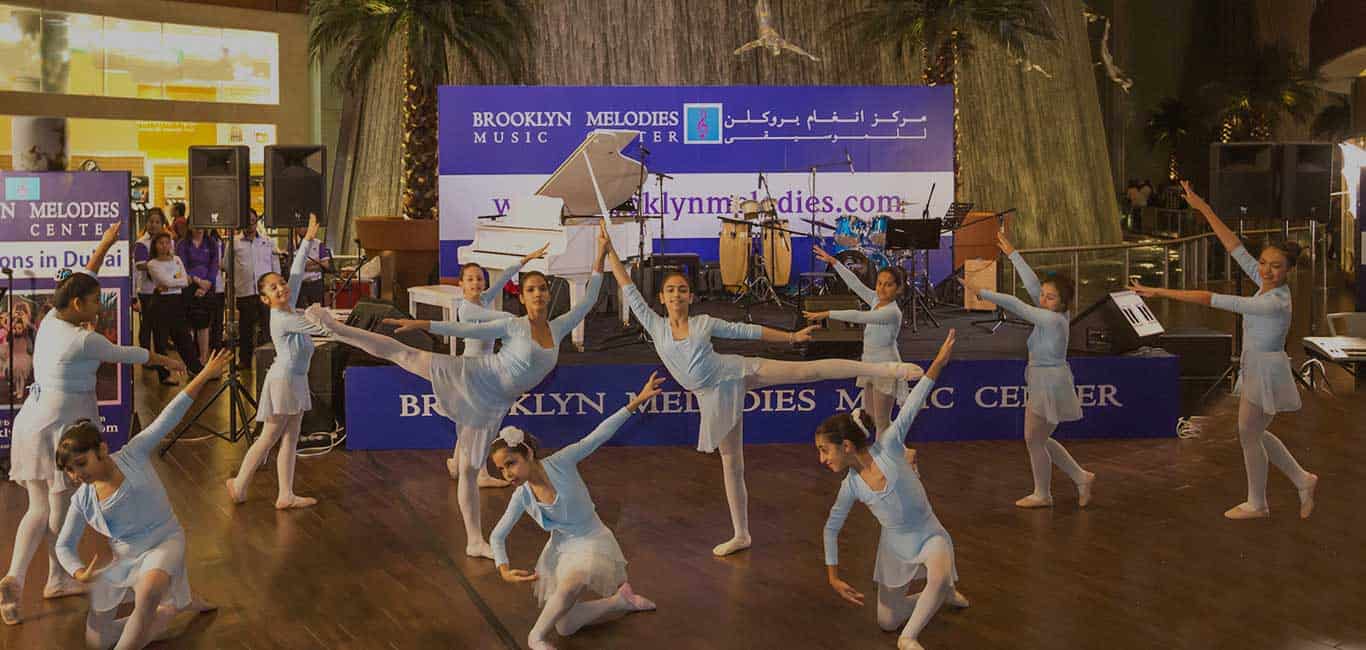
There are a number of ballet classes in Dubai, suiting a wide range of ages and skill levels. For those starting on their dancing journey, there are a number of beginners ballet classes in Dubai. Brooklyn Melodies is one of the leading music and dance establishment and has 9 locations in Dubai where aspiring dancers can learn Ballet from experienced instructors.

Little dancers can get started early with their creative movers class, where children aged 3 to 4 years old, can interact with music and express themselves with movement. They can build on their coordination skills, whilst having fun in a safe and positive learning environment. They can then move on to a ballet preparation class, where they will learn the basic exercises and positions, all whilst experiencing a real joy for dance. They may choose to go on to another form of dance, continue with ballet, or choose another sport to participate in, but their time spent in ballet will provide them with a great foundation, no matter what.

Ballet is not just beneficial for the little ones, it has become an increasingly popular form of exercise for adults. It offers a full body workout, often in a fun and expressive way. Furthermore, you will notice that your posture improves, as will your flexibility, upper body and core strength, and balance and coordination. It can also have an extremely positive effect on mood, helping to relieve the stresses and strains of everyday life. So, don’t wait, sign up for an adult dance class in Dubai today.
The Styles of Ballet – Methods and Techniques of Ballet

Ballet is arguably the most graceful form of dance, filled with poise and elegance. It has long been known as the foundation for all dances, as it teaches them to balance and posture that all dancers, no matter their chosen style, need to master. The dance is not just beautiful, but it also has so many benefits for the body and mind. As well as boosting mental well-being by alleviating stress, it also improves flexibility, muscle strength and tone, and posture, which can put an end to back and neck pain. For younger dancers, it helps them to learn expression, grow their confidence, and how to connect movement to music.

The Styles of Ballet

There are a number of different styles of ballet, some of them which fall into the classic styles and others which fall into the later contemporary styles.

Classical Ballet

In one of the early styles, there are various sub-styles of Classical Ballet, which are usually classified by their geographical area of origin, such as English Ballet, Russian Ballet, Italian Ballet, and French Ballet. Defined by classical techniques and vocabulary, classical ballet training involves learning techniques named for their creators, such as the Vaganova method, which is named after famed Russian ballet dancer, Agrippina Vaganova.

In 1920, the classical ballet style became defined by the technique and training program put together by a diverse group of ballet dancers, becoming known as The Royal Academy of Dance Method. It is a blend of a number of the classical styles of ballet, merging elements of French, Italian, Danish, and Russian ballet. Tchaikovsky is one of the best-known classical ballet composers, being the creator of ‘Swan Lake’ and ‘Nutcracker’.

Romantic Ballet

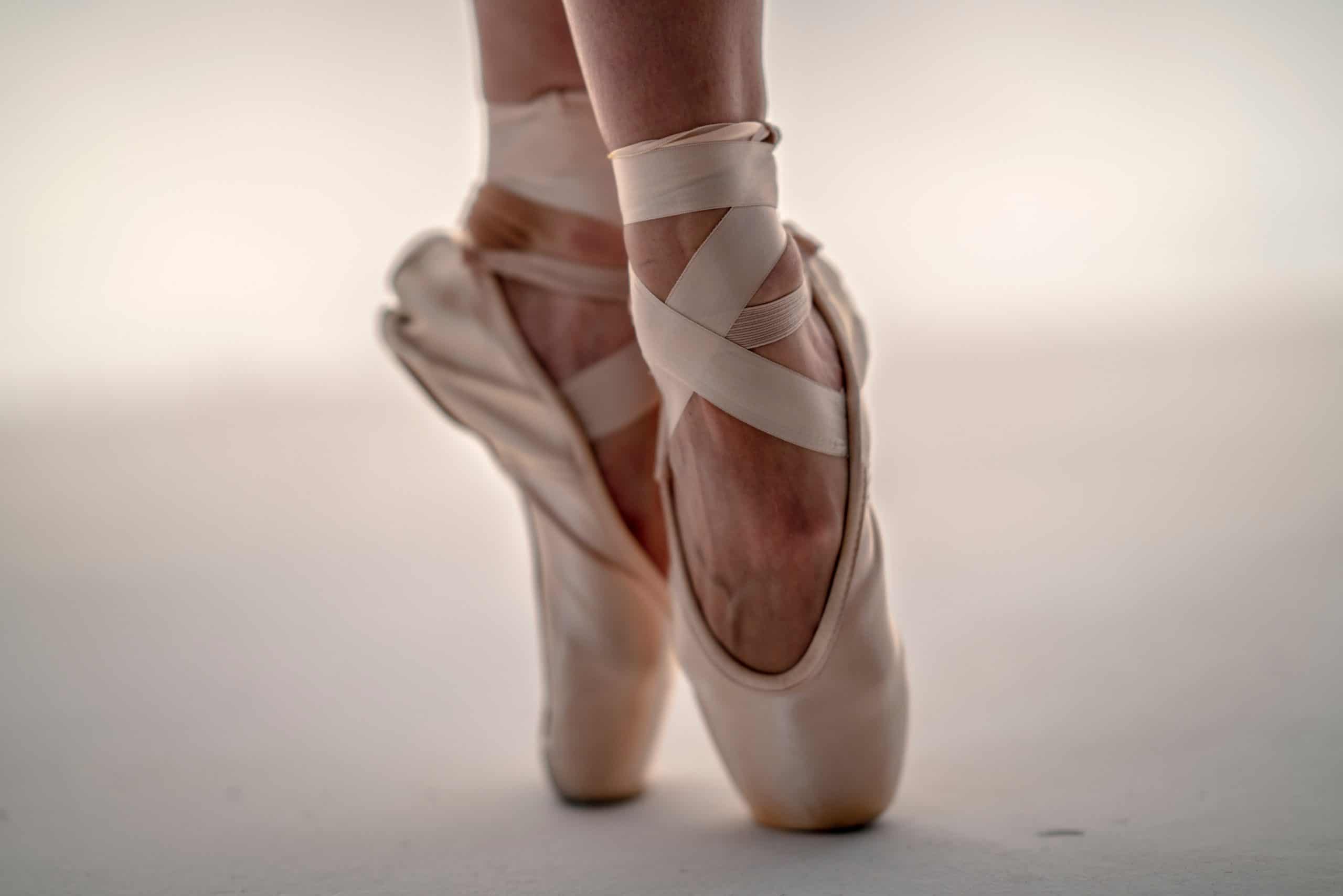
An artistic movement of the classical style, Romantic Ballet emerged in the 19th century. Although many of the steps are the same as in classical style, there are some important artistic and performance changes. This style of ballet saw the development of pointe work, the impressive technique where dancers support all their body weight on the toes of fully extended feet.

In the romantic style of ballet, the women dancers are the main focus, and they traditionally wear the classical short white tutus. The romantic ballets, such as ‘La Sylphide’ and ‘Coppelia’, feature intense emotions, where women dancers play like the sylphs and ghosts, ensnaring the hearts of mortal men.

Neoclassical Ballet

One of the modern styles of ballet, Neoclassical puts an abstract twist on the classic ballet techniques and vocabulary. The performances often feature no defined plot and scenery, and no formal costumes. The possibilities for neoclassical ballet are endless, as diverse music can be used, whilst forgoing the formality that comes with classical ballet. This makes room for modern techniques and choreography, which leads to a shift away from delicate moves, to strong moves and athleticism, defined as Modern Ballet. Edging away from the usual delicacy of ballet, the modern style is more risqué when it comes to physicality, subject matter, and mood, a good example of which is Robert Joffrey’sAstarte’.

Contemporary Ballet

A truly current form of dance, Contemporary Ballet combines elements of classical ballet, with modern techniques such as jazz, ethnic, etc. This allows for a great deal of experimentation in performance, with dancers taking on greater challenges including acting in complex plots. Contemporary ballet is only marginally different from the neoclassical style, but the dancer’s moves require an upping in the athleticism, being bigger and swifter in tempo. The style is characterized by dancing in bare feet, with plenty of floor work and the turn-in of the legs. Many consider William Forsythe to be the real innovator behind the contemporary ballet movement with a wide variety of works, including the iconic ‘In the Middle’.


guitar legend Dubai


Techniques of Ballet

The various techniques of ballet are a must learn for any aspiring dancer, and they will be taught in any good ballet class. Learning the right techniques, helps ballet dancers to hold their form and the correct posture, to help avoid injury, and to develop the aesthetics of the dance. The common positions and movements of ballet are as follows:

  • Pointe technique – Dancing on the tips of completely extended feet in pointe shoes.
  • Grand Jeté – A long jump, leaping from one leg and landing on the alternate, whilst and Assemblé is a jump landed on both feet.
  • Plié – With the body held upright, the knees are continuously bent outwards.
  • Split – A ballet position where the legs are fully extended in opposite directions, either in the straddle position with legs on either side of the front split, with legs extended to the front and back.
  • Ballon Technique – Dancing so light-footed that jumps appear weightless, defying gravity.
  • Pirouette – A spin on the spot on one foot for a single or multiple rotations.
  • Turnout Technique – Dance moves are finished with legs rotated outward.
  • Fouetté – A fast pivot of the supporting leg results in a change of orientation of the working leg and body.
  • Bravura – An extravagant form of ballet with lots of elaborate steps put together in sequence.
  • Arabesque Position – The dancer stands on a straight supporting leg, with the other extended behind the body in a turnout position.
  • Port de bras Technique – The graceful movement of arms into different positions.
  • Alignment technique – Keeping the hips, shoulders, and head vertically aligned.


Learn Ballet in Dubai

Aspiring ballet dancers that are looking to join a class or find out more about the dance, in general, should contact Brooklyn Melodies. The music and dance center has 9 locations throughout Dubai, teaching ballet classes to a wide range of ages and skill levels. Their experienced instructors can nurture the blooming talents of the very young, encourage the growing skills of pre-teens, and support the advanced ballet dancers through their exams, performances, and into their future careers.

Best-Podcasts-Dancers
The Benefits of Playing a Music Instrument

1. It Sharpens Concentration
Research shows that musicians are better at finding mistakes and correcting them. Playing an instrument requires you to focus on a few things at once, so it will sharpen your concentration skills. In fact, as you advance and start playing on your own, your concentration improves and the number of mistakes you do will decrease. It is often easier for children who play a musical instrument to concentrate in school.


2. It Increases Coordination
Playing a musical instrument requires us to move our hands independently of each other. It also requires us to read music notes while hitting the right keys. These actions will help us improve coordination and provide us with better critical thinking skills. As these skills are mastered, our coordination skills improve.


3. It Improves Time Management
Since playing a musical instrument requires you to practice regularly and follow a specific lesson schedule, you will learn how to manage your time better. This in return will help you improve your time management skills for every part of your life.


4. It Boosts Self-Esteem
Learning how to play an instrument can boost our confidence. Learning how to play your favorite song and do it in front of an audience will make you feel overjoyed. After many hours of learning and practice, hearing the positive feedback from the audience is a great reward that boots our confidence and leaves us with an incredible feeling of accomplishment. Children will feel great about their accomplishments and get their self-confidence boosted.


5. It Reduces Stress
Research has shown that playing music can reduce stress, therefore having a positive impact on your body and mind. Playing your favorite instrument every day absorbs your attention and prevents your mind from wandering. Feeling happy is one of the best feelings one could have, and learning how to play music can help you achieve that.


6. It Attracts Others
Playing a musical instrument is a great way to build your social skills. You will be able to play with other people in performances and build friendships after spending many hours with other performers.


7. It Helps Understand Other Cultures
Learning how to play a musical instrument will allow you to explore different types of music. This may include playing music from other cultures, and discovering how music plays a big part in other people’s lives. It’s fun and useful to learn about new cultures – music can help you achieve that.


8. It Helps to Learn How to Play Other Music Instruments
When you learn how to play a musical instrument well, you are more likely to learn how to play other musical instruments. Since you would have already learned the foundation of music theory and you have built the discipline & motivation, it will be easier to learn how to play a new musical instrument and master it.


9. It Stimulates Children’s Creativity
The multi-tasking that is required when playing a musical instrument teaches children to think more creatively and critically. Children will be able to focus on any difficult task they face. Supported by the best music instructors in Dubai, your child’s creativity will flourish.


10. It Teaches Children Discipline
Playing a musical instrument is complex. As your child focus, commit and practice for years, he will be taught to set goals and accomplish them. As time pass, your child’s music skills will help them to become more disciplined in other areas of their life. At Brooklyn Melodies, we are thrilled to teach music to kids and parents that are interested in achieving good results.


11. It Improves Children’s Academic Skills
Playing an instrument and reading music requires us to apply a variety of skills. Learning how to memorize music notes trains our memory and helps us remember things better. Research shows that children perform better in math and literacy due to their learning of music beats and rhythms. Children will excel more at school as they explore the scientific explanation for the sound. If you want to improve your kids’ skills in school, enroll them now in a music lesson at Brooklyn Melodies.


12. It Creates a Bright Future for Children
Teaching children how to play a musical instrument is investing in their future. In addition to the fact that music has a direct positive impact on children’s academic and social development, you are giving your child another tool to succeed. If your children don’t choose music as their professional career, they would have developed a passion that will stay with them all their lives.